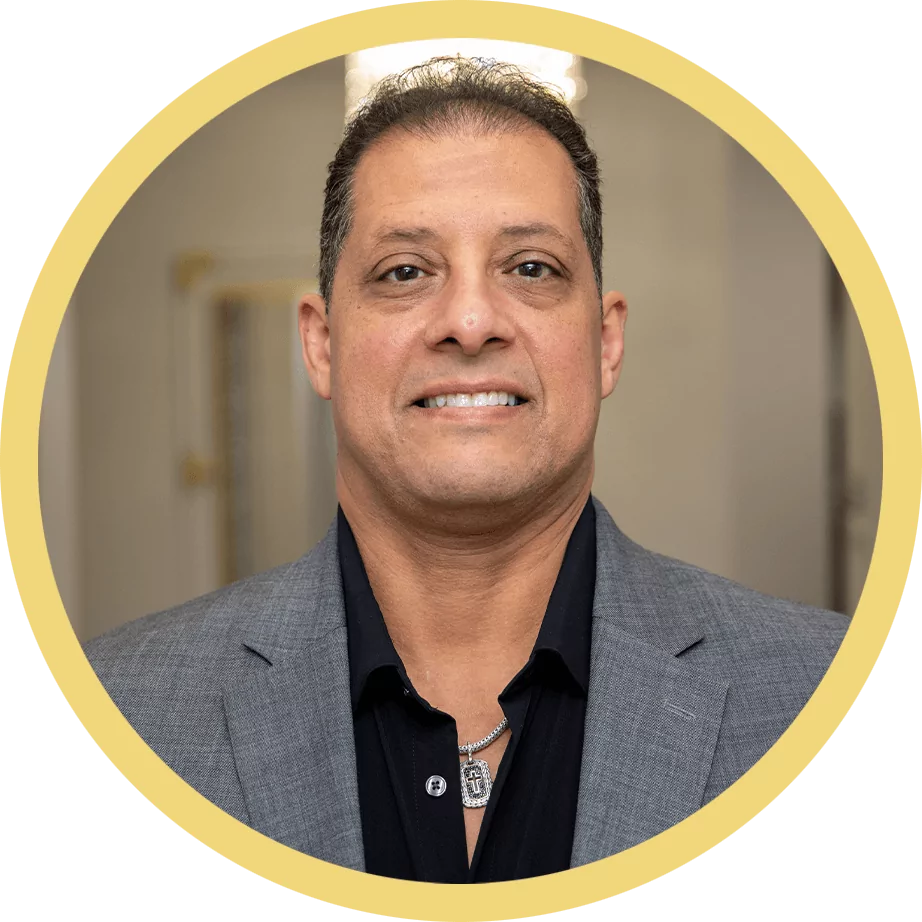
Dr. Wassef is an experienced dentist serving patients in Hazlet, Holmdel, and surrounding NJ communities. Known for precision care and personalized treatment for even the most complex cases, he’s helped countless patients save their teeth and restore their smiles.

Full-arch dental implant treatment has more payment paths than most patients realize. Dental insurance rarely covers the implants themselves but often covers imaging, extractions, and adjacent work. Medical insurance sometimes applies. HSA and FSA funds work. Third-party financing covers what insurance doesn't. Most patients end up combining several of these sources, not choosing one.
The right question isn't which single option pays for treatment. It's how to stack the sources you have.
Why "does insurance cover dental implants" is the wrong question
Most patients start with the same question: does insurance cover dental implants? The honest answer is complicated, and the complication is where the real savings sit.
Dental insurance typically excludes dental implants from coverage or limits it to a partial reimbursement of the crown or prosthesis only. That part of the answer is what most patients hear and stop there. What they miss is that dental insurance often covers several adjacent parts of the treatment: diagnostic imaging, tooth extractions before implant placement, and sometimes portions of the final restoration. Those adjacent costs can add up to several thousand dollars on a full-arch case, which is real money worth capturing.
Medical insurance is even more variable. Most policies exclude routine dental work entirely, but some cover implants when they're medically necessary after trauma, cancer treatment, or congenital conditions. Some employer plans include dental implant riders. Some state programs cover specific patient populations.
The right approach is to check what your specific coverage includes, not to assume any of it applies or doesn't. A practice that handles implant billing regularly can help identify covered portions that patients working from generic assumptions would miss.
Five ways NJ patients pay for full-arch implants
At Glenwood Premier Dental Group, five payment sources cover almost every full-arch case. Most patients use two or three in combination.
1. Dental insurance for adjacent covered work
Dental insurance usually doesn't cover implants themselves but frequently covers the work around them.
The commonly-covered items include diagnostic imaging (X-rays and sometimes portions of the 3D CT scan), tooth extractions before or during implant placement, some portion of the prosthesis (particularly if it's classified as a bridge or denture), and follow-up cleanings and evaluations. Coverage varies dramatically by plan, but even partial coverage of these items can reduce total out-of-pocket costs by several thousand dollars on a full-arch case.
The right approach: submit a pre-treatment estimate to your insurance before starting treatment. That estimate identifies what your specific plan will cover and gives you a clear picture of the reimbursement to expect. Practices that handle this billing regularly can walk you through the process.
2. Medical insurance when it applies
Medical insurance rarely covers dental implants for standard tooth loss, but there are specific situations where it does.
Trauma cases (implants needed after a car accident, sports injury, or other physical trauma) are sometimes covered under medical rather than dental insurance, particularly when the injury is documented and recent. Cancer-related cases (implants needed after treatment for oral cancer or reconstructive surgery) may be covered under medical policies with specific documentation. Congenital conditions (ectodermal dysplasia, cleft palate, and other developmental conditions affecting teeth) sometimes trigger medical coverage that dental policies don't provide.
For most patients, medical insurance isn't part of the payment path. For patients who fit one of these specific situations, checking whether medical coverage applies can produce significant savings that patients working from dental-insurance assumptions would miss entirely.
The right approach: if your tooth loss connects to any of these situations, ask both your medical insurance provider and the practice about medical billing options before starting treatment.
3. HSA and FSA funds
Health Savings Accounts (HSAs) and Flexible Spending Accounts (FSAs) let patients pay for dental implants with pre-tax dollars. This isn't a discount on the treatment itself, but the pre-tax status effectively reduces the cost by the patient's marginal tax rate, which for most patients is 20-30%.
HSAs allow larger annual contributions than FSAs and roll over year to year, which makes them useful for patients planning full-arch treatment months or years in advance. FSAs have lower contribution limits and often expire annually, but couples can each contribute to their own FSA and combine funds for shared expenses.
The right approach: if you have access to an HSA or FSA, maximize contributions in the tax years leading up to treatment. Even partial funding of a full-arch case through pre-tax accounts produces meaningful savings.
4. Third-party financing
Third-party financing covers what insurance and pre-tax accounts don't. Several providers serve dental patients specifically, each with different terms and different fit for different patient situations.
CareCredit is the most widely known. It offers deferred-interest promotional periods (typically 6 to 24 months) with the caveat that unpaid balances after the promotional period accrue back-interest to the origination date. That structure works well for patients who can pay off the balance during the promotional window and works poorly for patients who can't.
Cherry offers monthly payment plans with lower barriers to approval and more transparent terms. Payments are structured over 3 to 60 months, and there's no back-interest trap. Cherry tends to fit patients who need predictable monthly payments over a defined period.
Sunbit offers point-of-sale financing with instant approval and short repayment terms (typically 6 to 72 weeks). It's designed for smaller balances and quick decisions, and it tends to fit patients covering a specific portion of a treatment plan rather than the full case.
Proceed Finance and similar larger-balance lenders offer terms up to 84 months for treatments over $10,000. These providers are designed specifically for full-arch and other high-cost dental cases and often offer more manageable monthly payments than the shorter-term options above.
The right approach: choose the financing option that matches your ability to pay, not the one with the most attractive advertised terms. Deferred-interest plans work if you can pay off the balance during the promotional period. Longer-term plans work if you can't. Sunbit works for smaller balances. Proceed works for larger ones.
Glenwood Premier Dental Group works with multiple financing partners and can help identify the option that fits your specific situation.
5. In-house payment plans
Some practices offer in-house payment plans separate from third-party financing. These are direct arrangements between the patient and the practice, typically without a credit check, and are structured over a defined period.
In-house plans work well for patients who don't want to add another line of credit, who have less-than-ideal credit but can demonstrate income stability, or who prefer to keep the financial relationship with the practice rather than a third-party lender.
The trade-offs are real: in-house plans often require a larger upfront deposit than third-party financing, they typically don't extend as long, and interest terms vary. But for the right patient, an in-house plan can be a cleaner option than either paying in full or taking on external financing.
The right approach: ask whether the practice offers in-house payment options and what the terms are. If they do, compare against third-party financing before deciding.
How to combine sources effectively
Most patients don't pay for full-arch treatment through a single source. They stack multiple sources in specific ways.
The most common combination is dental insurance for the adjacent covered work (imaging, extractions, portion of the prosthesis), HSA or FSA funds for a chunk of the remaining balance, and third-party financing for the rest. That combination can turn a $30,000 case into a manageable structure of insurance reimbursement, tax savings, and a monthly payment that fits the household budget.
A second common combination is medical insurance (for patients whose case qualifies), HSA funds, and a shorter-term financing plan for the balance. This works for trauma, cancer, or congenital cases where medical coverage picks up a meaningful portion.
A third combination uses savings or a home equity source for the upfront portion, dental insurance for the covered adjacent work, and no third-party financing at all. This works for patients who prefer to avoid debt but can access other funds.
The strategy depends on the patient's specific situation. What matters is that the strategy is deliberate. Patients who default to a single source (typically CareCredit or the practice's most-advertised financing partner) often pay more than patients who plan their combination carefully.
What to bring to a payment conversation
Two things make the payment conversation actually useful at a consultation.
The first is your dental insurance information and, if relevant, your medical insurance information. Practices that handle full-arch cases regularly can run a pre-treatment estimate quickly and give you real numbers on what your specific coverage will contribute.
The second is a clear sense of what you can pay upfront and what monthly payment fits your budget. Sharing those parameters helps the practice recommend the right combination of sources. Patients who share their financial parameters get plans structured around their actual situation. Patients who don't often get plans structured around industry defaults.
The consultation is also the right place to ask about the total cost with each combination of sources. The full breakdown of what drives full-arch implant cost in NJ is covered in a separate post on cost transparency. Once the treatment plan is set, the financing structure fits around it.
The right structure for you exists
Full-arch implant treatment is a significant financial commitment, but it's more affordable than most patients realize when the payment sources are combined thoughtfully. Between adjacent insurance coverage, pre-tax funds, and financing options structured for large-balance dental cases, most patients can find a structure that fits their budget.
The practice's job is to help you find it. Practices that lead with a single financing option before understanding your situation are selling. Practices that walk you through the full range of options and help you combine them are planning.
Schedule a free consultation with Dr. Wassef at Glenwood Premier Dental Group in Hazlet, NJ. You'll get a 3D scan, a treatment plan, and a direct conversation about how to structure the payment for your specific case. For background on what full-arch implant treatment costs in NJ and what drives the price, the cost post covers the full picture before the financing conversation begins.